

A trauma informed platform that centers parents and aligns care for children with neurodevelopmental disorders.
The problem
Children with neurodevelopmental disorders rely on multiple caregivers and institutions, yet there is no shared trauma informed system that keeps everyone aligned. Information becomes fragmented, communication breaks down, and parents who hold the deepest context are often excluded from decision making. The result is inconsistent care, missed behavioral patterns, and increased emotional strain on families navigating an already complex system.
How I solved it
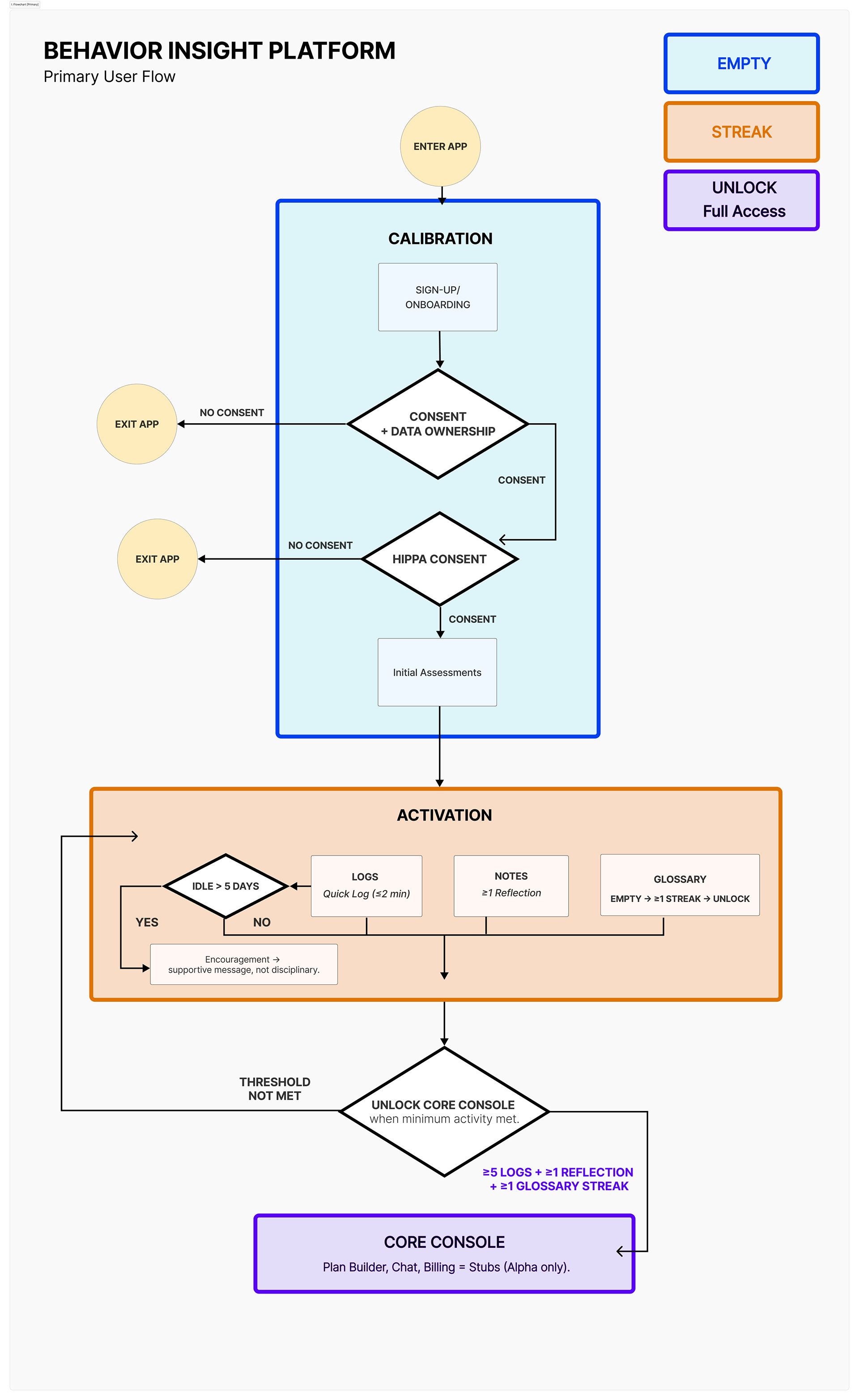
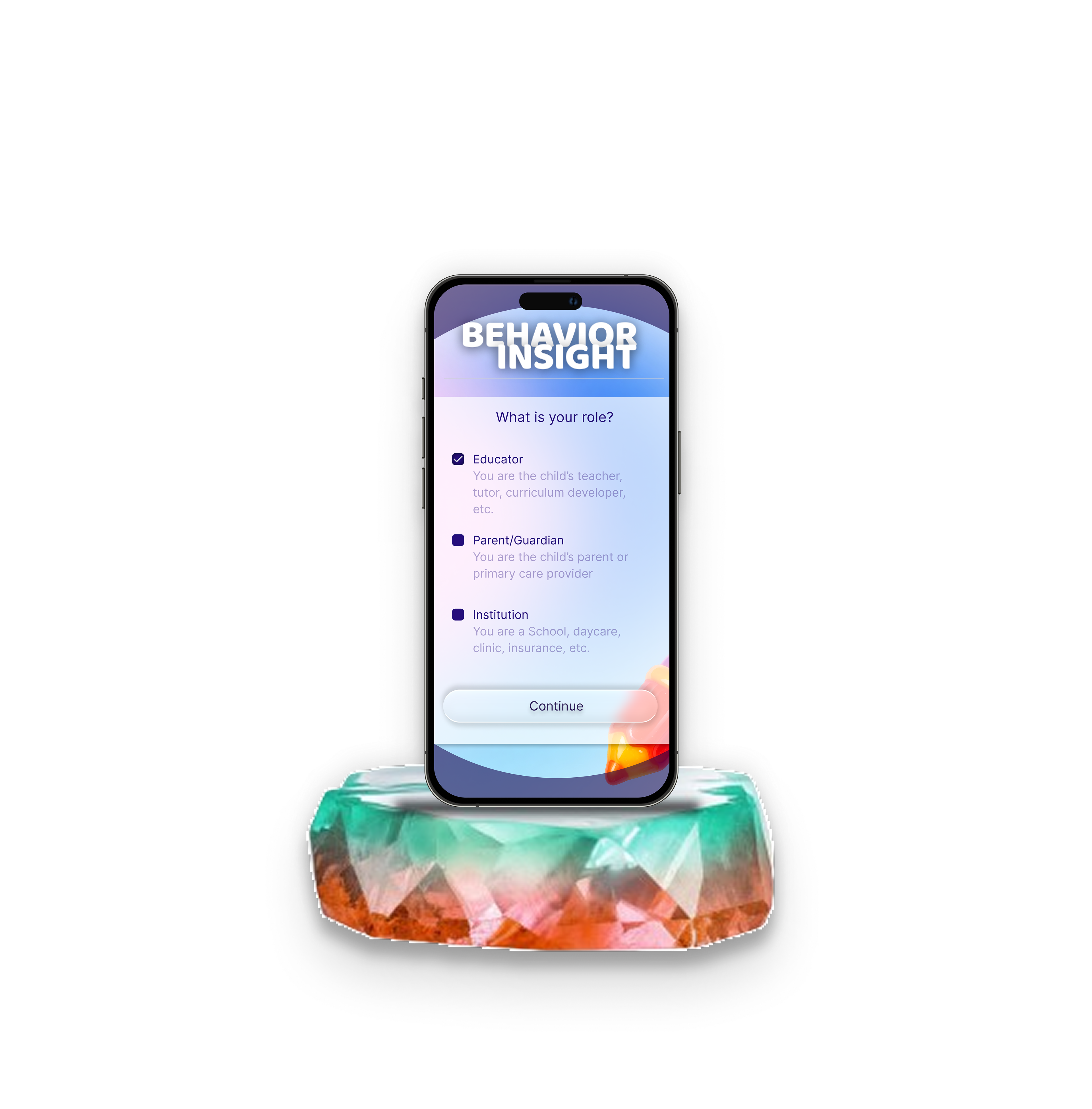
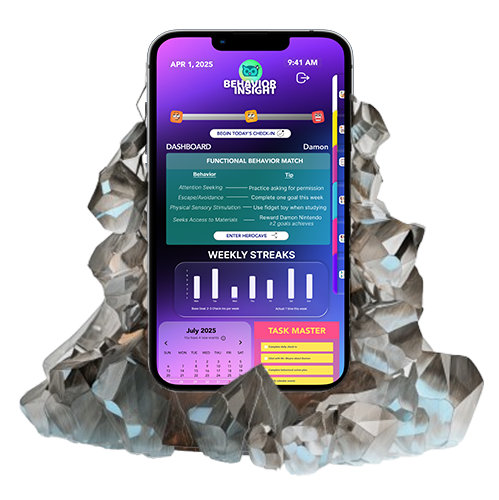
I designed the Behavior Insight Platform as a parent first clarity engine, intentionally centering parents as the source of truth within a multi role system. I structured the experience around behavior based inputs and decision driven actions, translating complex system logic into clear, intuitive flows. I introduced role specific dashboards, consent and data ownership safeguards, and trauma informed design choices such as inclusive colorways and progressive disclosure, creating an experience that balances clarity, trust, and emotional safety across all users.
What trends I used
This work reflects a shift toward AI assisted research synthesis, system level UX thinking, and trauma informed design practices. I used AI to accelerate insight generation and move more intentionally into decision making. The platform also aligns with a broader movement toward parent centered healthcare, ethical data ownership, and adaptive interfaces that prioritize transparency, trust, and user agency.
What’s next
The next phase focuses on strengthening the platform’s intelligence and adaptability. I would expand AI driven insights to surface early behavioral patterns and support more proactive care decisions. I would also refine the engagement model to encourage consistency without overwhelming users, ensuring the experience remains supportive rather than demanding. Further opportunities include deeper system integrations and expanded accessibility features to better support a wider range of cognitive needs.
To view the full process of this project, please watch the video above.